In today’s rapidly evolving manufacturing landscape, industrial robots and robotic manufacturing have emerged as key drivers of innovation and efficiency. The incorporation of industrial robotics into manufacturing processes has transformed the industry, offering many benefits for businesses looking to improve productivity, quality, as well as competitiveness. Manufacturing robots will play a growing role in shaping the future of manufacturing as demand for solutions that automate production increases.
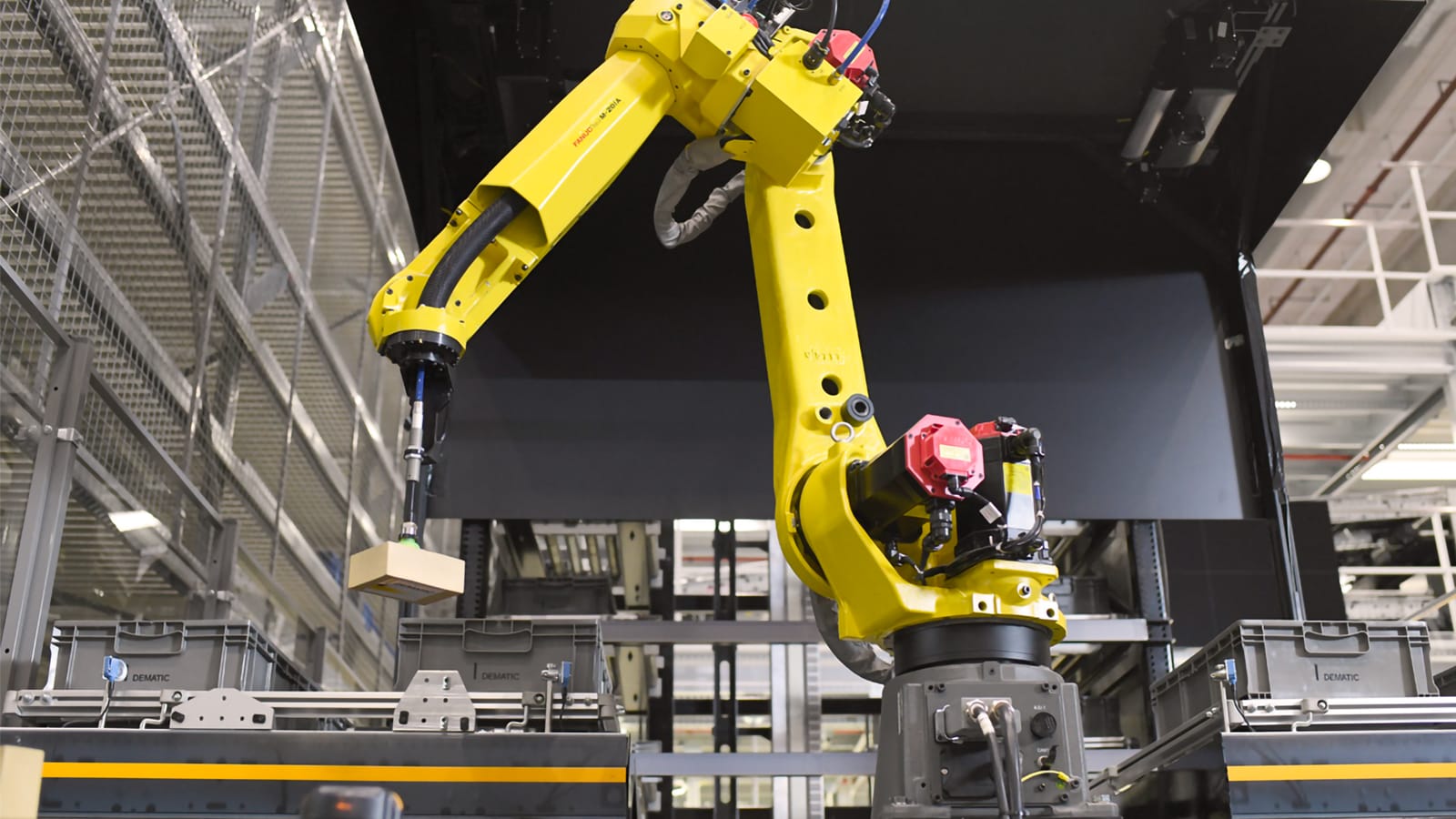
Industrial robots can also be referred to as manufacturing robots. They are specialized machines that carry out a variety of functions in the production environment. They are used for welding or painting, in addition to picking, placing and packing. Industrial robotics is a discipline that studies and applies robots that maximize the efficiency and precision of manufacturing operations.
Automated Solutions Australia, a company that specializes in design of industrial robotics to provide flexible solutions for manufacturing customers, is at leading edge. ASA industrial manufacturing robots aim to help clients achieve an advantage in their market by increasing their productivity and quality. ASA’s industrial robot solutions built upon best practices and an emphasis on quality are used by companies in diverse industries like electronics, automotive, pharmaceuticals and many more.
The advantages of implementing industrial robots in manufacturing have many facets. One of the main benefits is the dramatic increase in productivity and efficiency. Industrial robots can perform repetitive tasks with precision and consistency, resulting in increased output and shorter cycle times. This is not only a boost to overall efficiency but also enables companies to meet growing consumer requirements with ease.
Additionally, industrial robots help improve quality control in manufacturing processes. Robots are able to complete tasks with greater accuracy and more security. This results in better-quality products. This leads to a greater degree of satisfaction with the customer and a greater reputation for the company.
Industrial robots are not just effective and top-quality, they also help save money. While the initial cost to manufacture robots is high but the savings over time are significant. Businesses can quickly recover their cost of operation by streamlining production, and eliminating the requirement for human labor. Industrial robots are able to work 24 hours a day, which maximizes the use of resources, as well as reducing production costs per unit.
The impact of industrial robots on the workplace is another significant benefit. The robots create very little of noise, which create an environment that is more peaceful and more relaxing for employees. Additionally, their speed and precision contribute to making the workplace safer, reducing the risk of the risk of injuries and accidents.
The integration of industrial robotics is also a key factor in job creation and the future of work. Though there are concerns about whether robots are likely to replace human workers, industrial robotics provide new opportunities for employment. This includes roles in the field of robotic programming, maintenance, oversight and supervision, in addition to the development of cutting-edge technology to aid in the production of robots.
The manufacturing industry is continuing to embrace the potential of industrial robots, companies across a variety of sectors are benefiting from the advantages of this transformative technology. Industrial robotics, with the capability to improve the efficiency, quality and effectiveness of production is changing the way that products are made.
Conclusion: The advent of industrial robotics and manufacturing robots is a paradigm change in the industry of manufacturing. The fusion of these technologies has helped businesses achieve record levels in productivity and precision, as well as competitiveness and efficiency. Industrial robots are expected to play a major role in the future as demand for automation continues to grow. They could help in shaping the future of manufacturing and propel forward the development of technology.