Global sourcing involves more than just finding the cheapest prices or the most speedy suppliers. The issues facing buyers today are diverse: disruptions to the supply chain, questions about quality, sustainability expectations and rapidly shifting market conditions. In this environment an efficient B2B online marketplace becomes less of a necessity, and becomes a requirement to conduct business with confidence across boundaries.
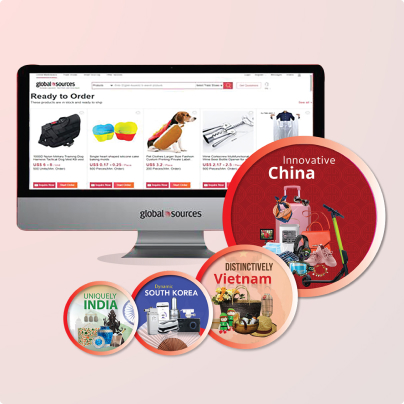
Modern B2B sourcing platforms are built to address real-world problems. Instead of overwhelming buyers with endless lists, it focuses on connecting genuine buyers to confirmed suppliers who are willing to establish long-term relationships. The shift from quantity to quality has fundamentally changed the way trade relationships across the globe are established and maintained.
Beyond simple supplier listings
Traditional methods of sourcing relied on cold outreach, inadequate information and speculation. Buyers needed to spend several weeks evaluating vendors in order to compare their capabilities, as well as taking a look at the risks. A well-structured B2B marketplaces cut out a significant portion of the friction by providing transparent profiles, pre-verified profiles, product details, and historical performance indicators.
Context is what provides the real value. Market intelligence, trend analysis, and expert insights aid buyers in understanding not only what they should be looking for, but when and why. This data helps businesses anticipate price changes or fluctuations in demand, as well as the emergence of new business opportunities.
The Benefits of an Online-to-Offline Sourcing Model
While digital tools are the most popular sourcing method of today, human interaction is still a crucial element to creating trust. In this instance, the Online–to-Offline (O2O model) is at its finest. Buyers can research suppliers online, choose their preferred partners efficiently, and then build the relationships with offline interactions such as trade fairs and business-matching events.
Being able to interact with products in person, discussing customization options face-to-face and developing relationships with suppliers can speed up the process of making decisions. When these offline experiences are made possible by mobile apps, digital platforms as well as centralized communication tools, sourcing becomes more efficient and much less fragmented.
Helping buyers throughout the entire Sourcing journey
After a buyer has located an appropriate supplier, a solid B2B platform won’t go away. Instead, it is constantly adding value via customized recommendations and exclusive buyer programs and other community-driven initiatives. These features enable buyers to discover new categories, try new products and get access to opportunities that they would otherwise miss.
The buyers’ communities and incentive programs are also a great way to build a feeling of continuity. They promote long-term relationships, sharing of information, and ongoing engagements rather than just single transactions. This approach to ecosystems improves sourcing outcomes and builds trust over time.
Adapting to a Changing Global Market
Global trade is impacted by constant changes in economic conditions as well as regulations and consumer expectations. A customer-centric B2B online marketplace adapts alongside these changes by expanding digital capabilities, refining matching algorithms, and enhancing data-driven insights.
Sustainability is becoming more of a concern. Buyers are seeking suppliers who have ethical business practices and adhere to sustainable manufacturing. By highlighting sustainable solutions and promoting transparency, modern sourcing platforms help companies meet their social and commercial obligations without sacrificing effectiveness.
Connections that are trusted can add long-term value
Trust is the foundation of a successful B2B-sourcing platform. Trust in supplier authenticity, trust in information accuracy and confidence in the platform’s dedication to long-term value. When these three elements are joined it can be seen as a strategic asset rather than a risky, time-consuming process.
A reliable B2B marketplace offers businesses more than just access to the market. It also provides them with the confidence to make decisions. It is essential to have confidence in your ability for making informed business choices to build lasting relationships, increase sustainable growth, and succeed in an economy which is becoming increasingly interconnected.